Interface first
Building digital products taught me to look for hierarchy, repeatability and behavior—not just surface aesthetics.
I work across digital design, art direction and AI-assisted image systems—turning loose references into visual languages that can actually scale.
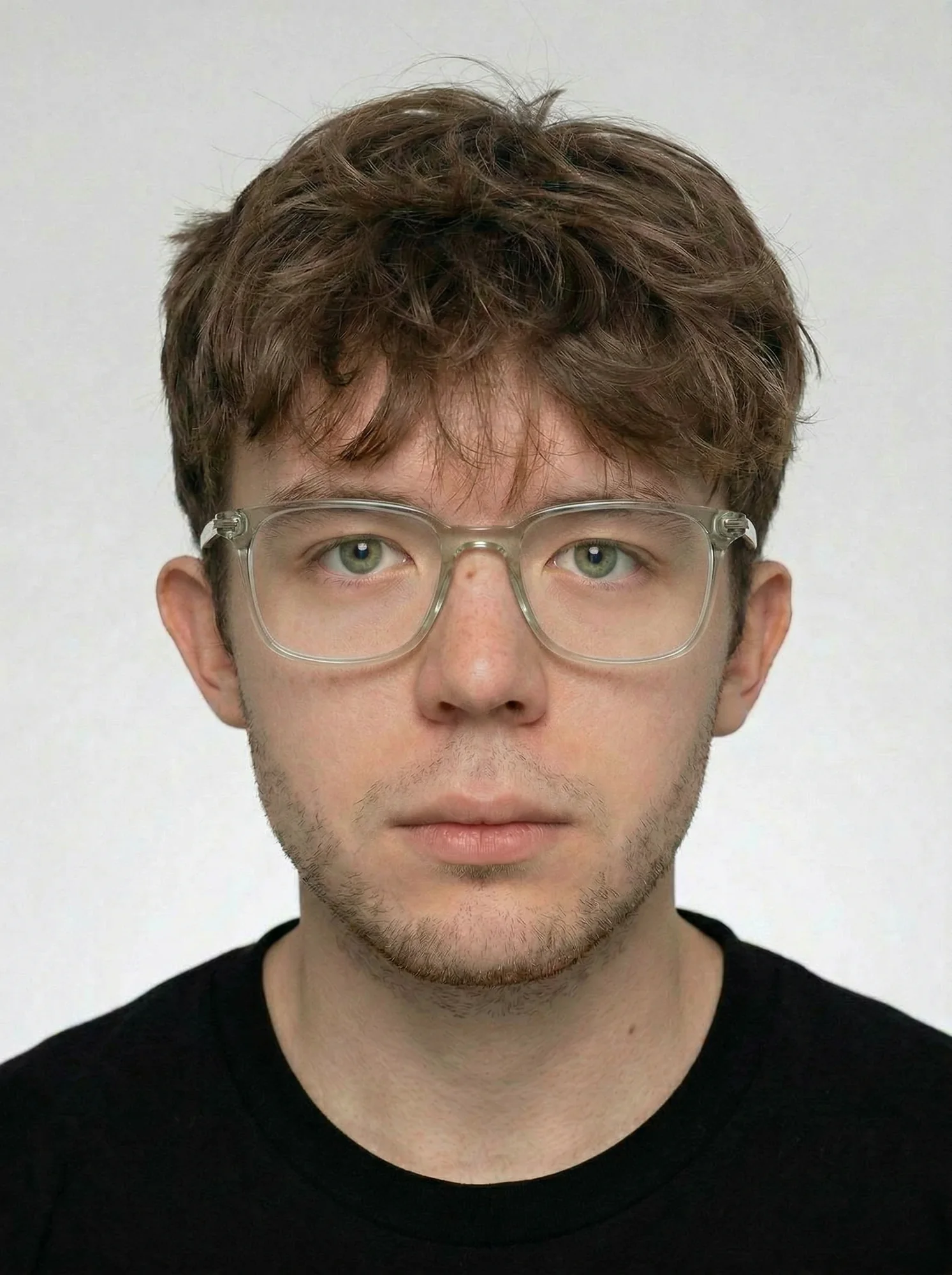
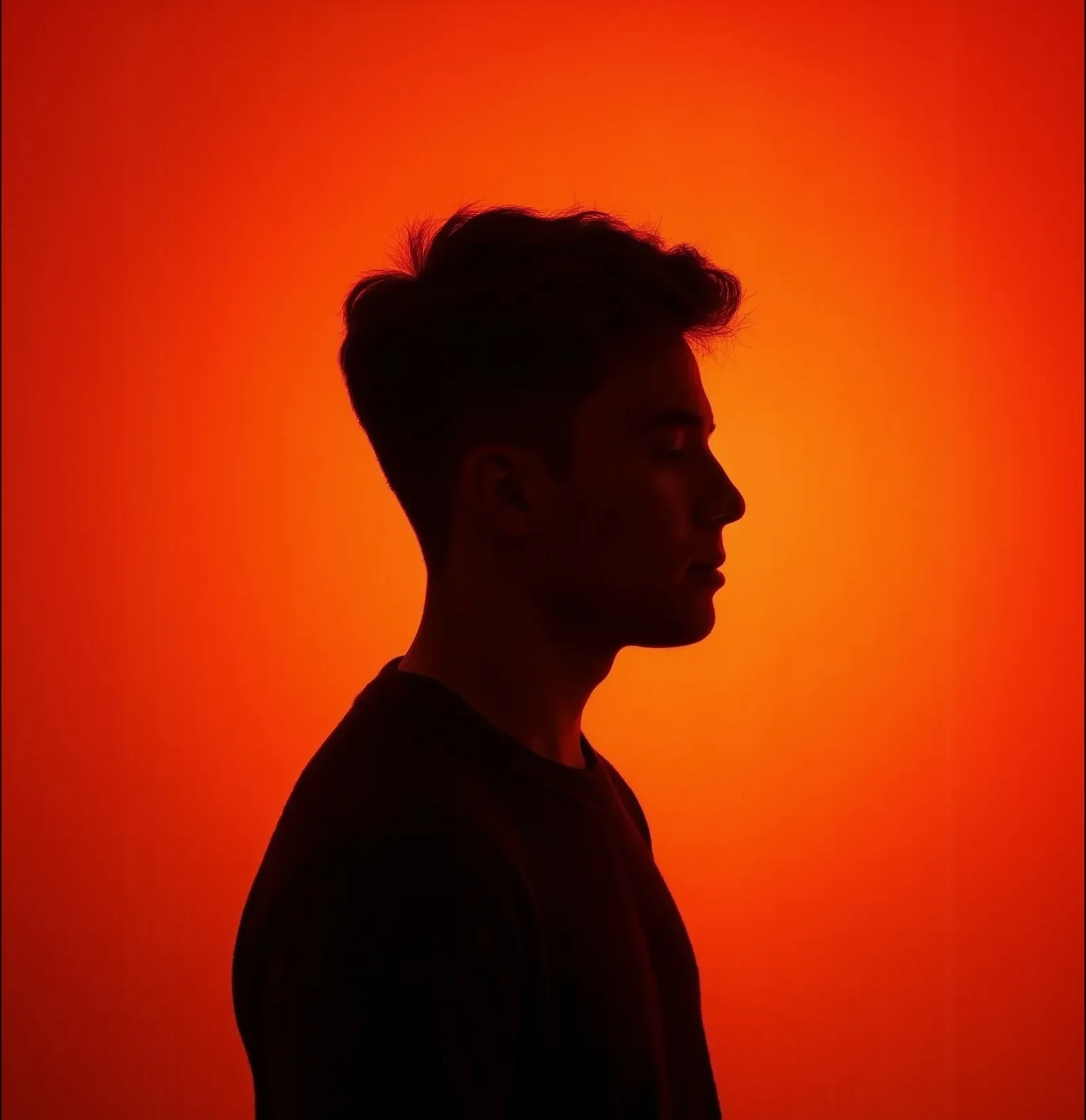
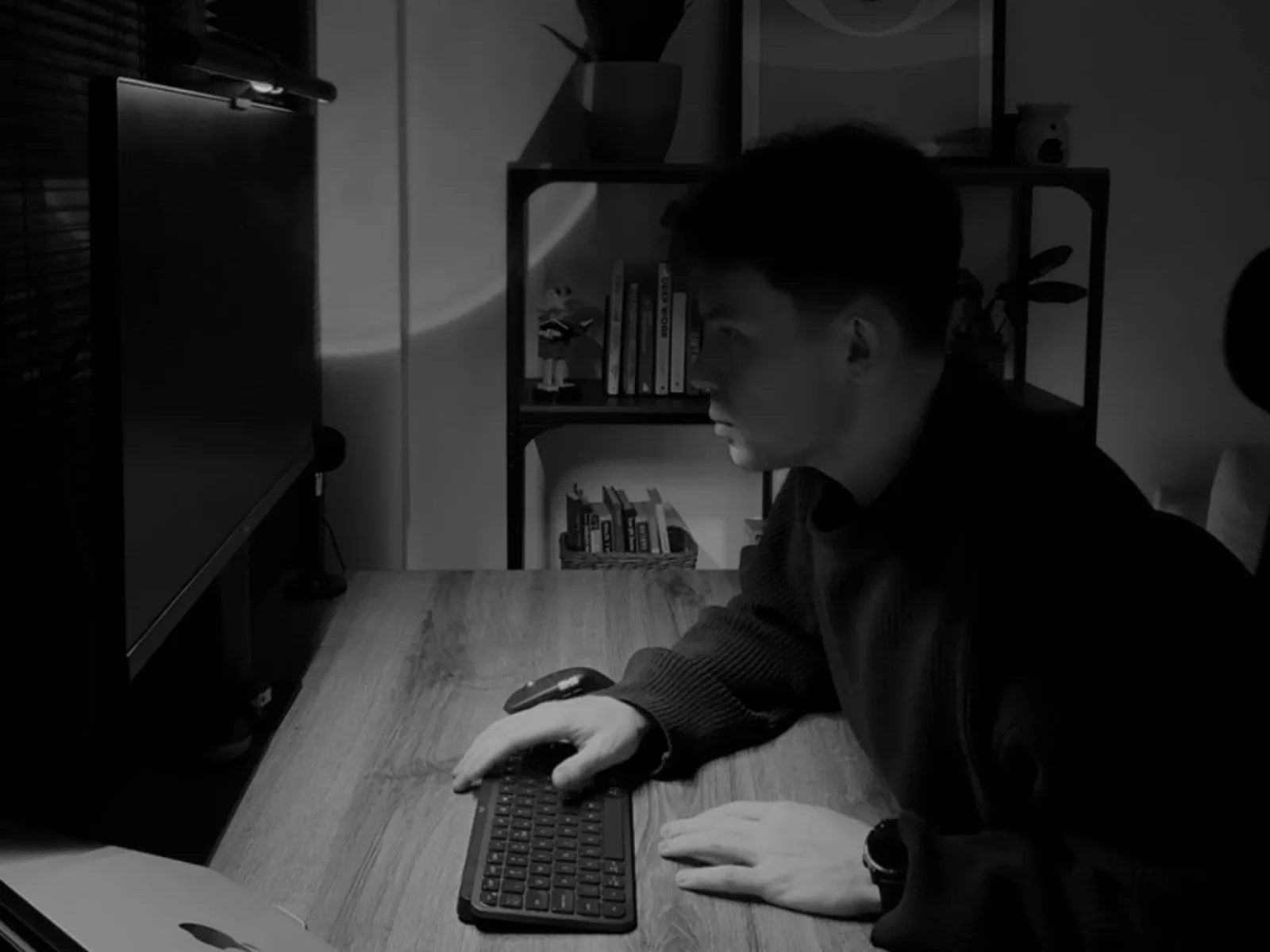
My process starts with visual taste, but it becomes useful only when the decisions can be explained, repeated and handed off. That is why I treat every project as a system: typography, image logic, motion behavior, composition rules and the tiny details that hold them together.
AI is part of that toolkit—not a shortcut around the craft. I use it when it expands the range of ideas, speeds up iteration, or makes a visual direction possible that would otherwise be too expensive to test.
Building digital products taught me to look for hierarchy, repeatability and behavior—not just surface aesthetics.
Daily publishing turned social media into a fast feedback loop for testing composition, visual hooks and creative systems.
Image generation became another design material. The focus shifted from one-off outputs to controllable systems and consistent visual DNA.
The practice sits between design, art direction and visual R&D—helping brands and creators move from references to repeatable creative language.
If an idea only works because of styling, the idea is not strong enough yet.
The best direction can survive ten formats, not just one hero frame.
Animation should reveal hierarchy and energy, never get in the way of the work.